Plaster in older city houses
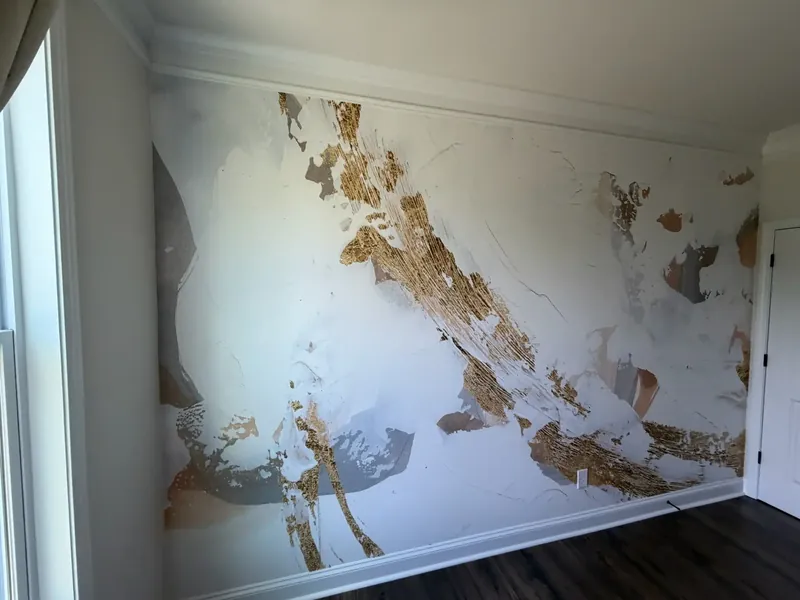
Many houses in the older parts of Minneapolis and Saint Paul were plastered over wood lath. Good plaster is hard and flat, but a century of settling, leaks and remodels leaves cracks, hollow spots where the plaster has let go of the lath, and patches where someone filled a hole with whatever was at hand.
Loose plaster is reattached to the lath before anything else, using plaster washers and screws, so it cannot move later and crack the paper. Cracks are opened slightly and filled with a setting-type compound, which hardens chemically and shrinks less than ready-mixed joint compound. Large holes are patched in layers.
Texture in newer suburbs
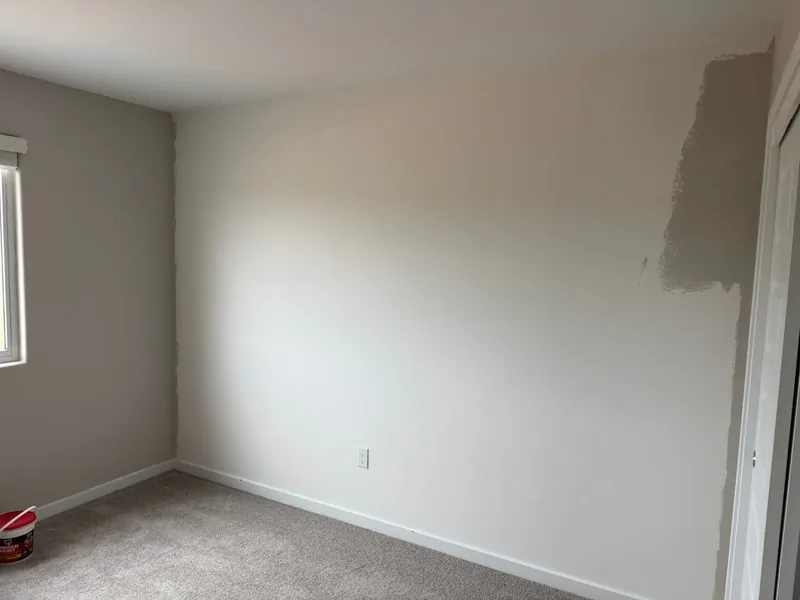
Drywall in post-war and newer houses across the suburbs is flat, but often textured: orange peel, knockdown or a light sand finish rolled into the paint. Texture shows through most wallpapers and stops seams from lying flat, because the edges sit on the peaks.
The fix is a skim coat: thin coats of joint compound troweled over the whole wall to fill the texture, then sanded smooth. Light texture may need one coat; heavier knockdown needs two. It is dusty work, so we contain it and clean as we go.
Torn drywall, old anchors and bad patches
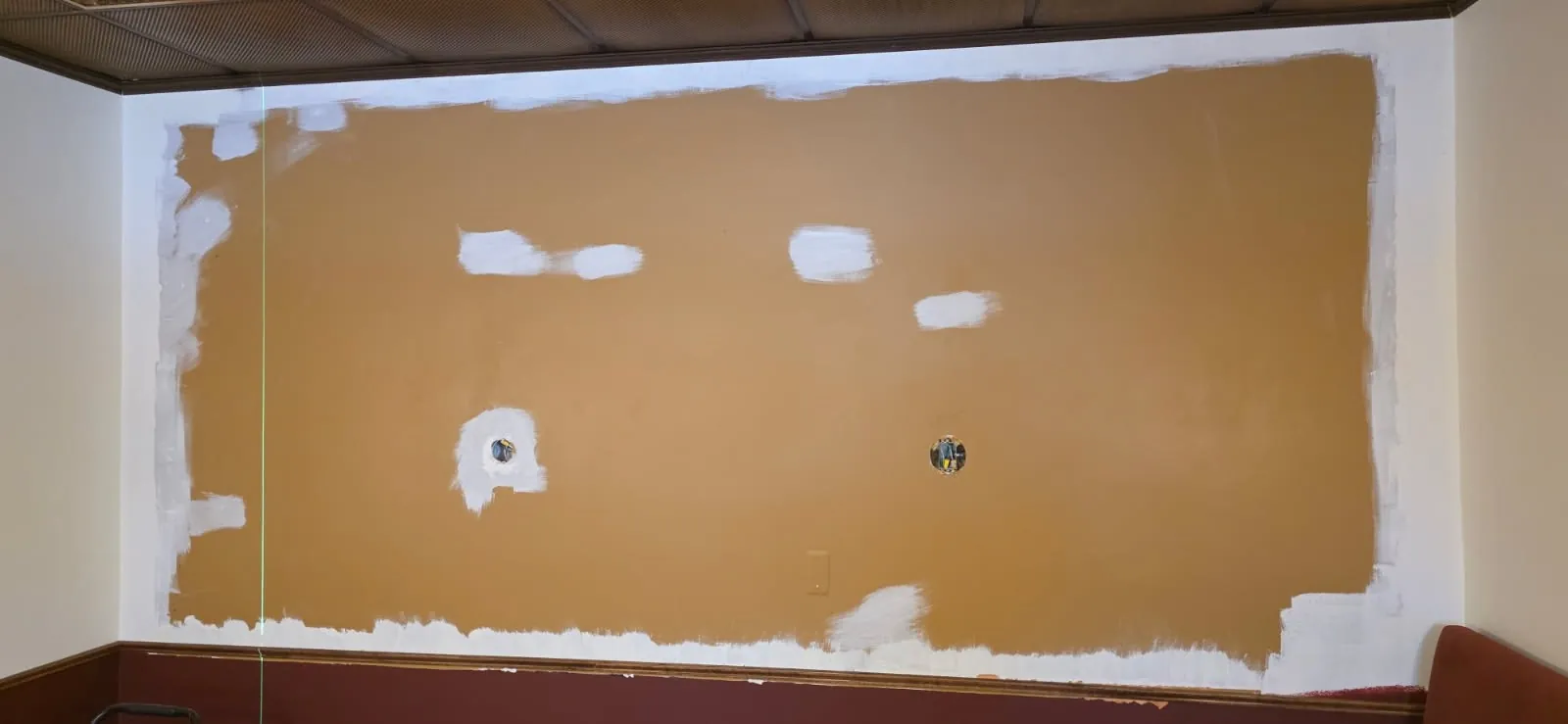
Removing old paper from unprimed drywall can tear the paper face of the board. That raw brown surface has to be sealed with a primer made for damaged drywall before compound goes over it, or it will bubble. Then it is skimmed and sanded like any other repair.
Holes from anchors, shelving and old fixtures are filled and sanded. Raised patches from earlier repairs are knocked down. We check the whole wall with a light held flat against it, because the low angle shows ridges that are invisible straight on.