Wallpaper removal in Minneapolis

Old borders, layers of paper from several decades, vinyl that peels and leaves its backing behind. We take it off without tearing the wall, wash off the paste and leave a surface that is ready for paint or new paper.

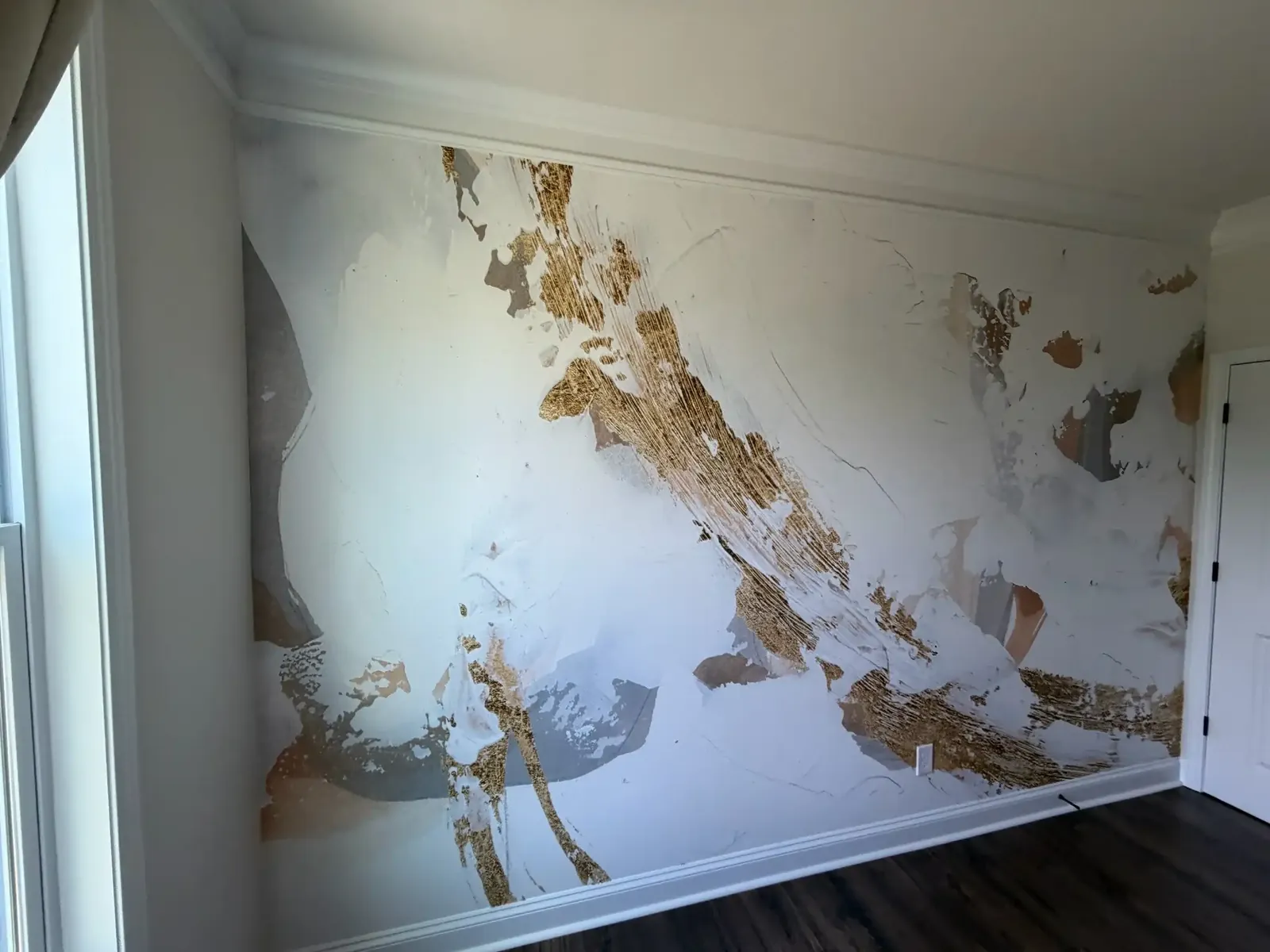
Old wallpaper part-way stripped, with torn backing and bare patches across the wall

First, find out what is on the wall

Wallpaper comes off in different ways depending on what it is. Strippable papers release dry when you lift a corner. Peelable vinyls come off but leave a paper backing that has to be soaked. Traditional papers need water and time. Older houses in Minneapolis and Saint Paul often have more than one layer, sometimes painted over, and that changes the plan again.

We test a few spots, including one behind a door, to see how the paper and paste react. We also look at what is under it. Plaster usually handles water well. Drywall that was papered without a primer is another story: the paste may have bonded to the face paper of the board, and careless stripping tears it.

Protecting the room and the wall

Removal is wet work. Floors are covered with absorbent covering over plastic, baseboards and outlets are protected, and power to the outlets on the wall is switched off while we work with water. Furniture is moved out or to the middle of the room and covered.

On drywall we keep scoring tools light or skip them altogether, because deep perforations go through the paper face of the board and show up later as dimples under paint or new paper.

Soak, wait, strip, wash

The facing comes off first where it will. The backing and older papers are soaked with warm water and a wallpaper stripping solution, and given time to work; patience here saves the wall. On stubborn layers over plaster, a steamer softens the paste. Paper is lifted with a wide, dull-edged scraper held low, not dug in.

When the paper is off, the job is not finished. Old paste left on a wall feels clean when dry but will crack paint and stop new paper from sticking evenly. We wash the walls until the paste is gone, rinse them, and let them dry fully.
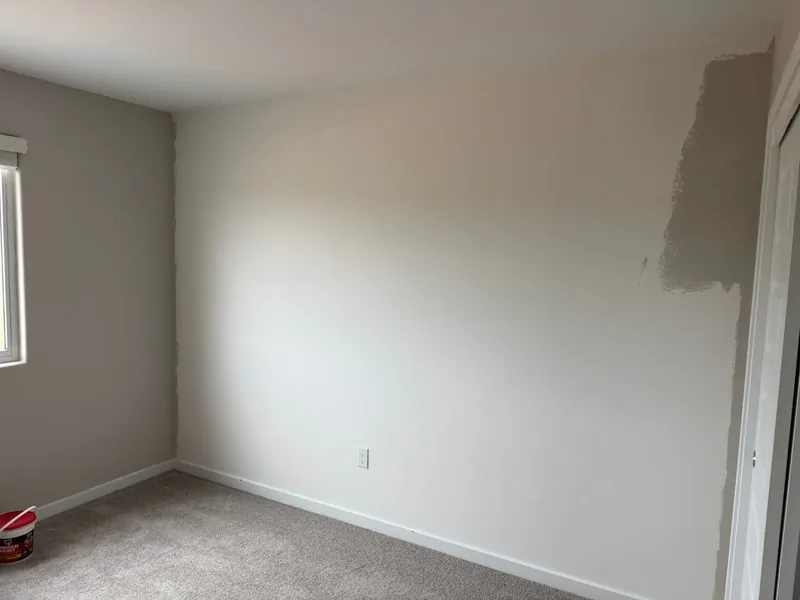
Bare wall being prepared for paper, with a fresh gray coat rolled along one edge

When the drywall face tears

Sometimes the paste wins and the face paper of the drywall comes off with the wallpaper, exposing the brown layer underneath. Painting or papering straight over that raw layer makes it bubble. The fix is to seal it with a primer made for damaged drywall, usually an oil- or shellac-based sealer, then skim the area smooth, sand it and prime again.

We tell you before we start whether we expect this, and we price the repair separately so you can see what the removal cost and what the wall needed after it.

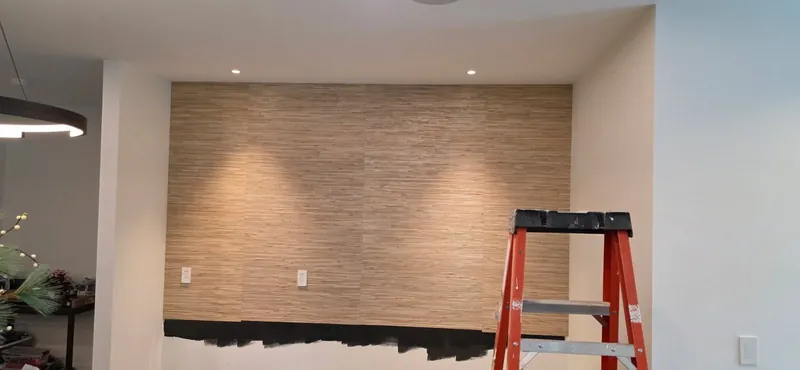
Natural grasscloth feature wall part-way through hanging, with a ladder and the lower edge still to trim

Ready for paint or for new paper

After removal the walls get whatever they need for what comes next. For paint: repairs, skim where needed and a primer. For new wallpaper: repairs, skim, and a wallcovering primer so the next paper goes up well and comes off easily in twenty years' time.

If you plan to paint, ask your painter which primer they want, or let us apply it. If you plan new paper, we can hang it right after the prep has dried, which saves a second round of moving furniture.

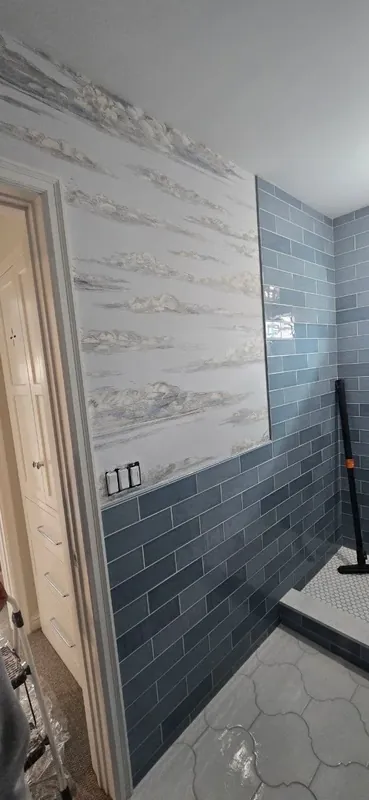
Soft gray cloud print above blue subway tile in a bathroom

Paper on old plaster

In older Minneapolis and Saint Paul houses, paper is often stuck directly to plaster that was sized or painted decades ago, sometimes with several layers stacked up. Plaster tolerates water and steam well, so these jobs are usually slow rather than difficult. Under the paper we sometimes find old patches, cracks that were papered over, or areas where the plaster has let go of the lath.

We note those spots as the paper comes off and show them to you before we wash the walls. Some are cosmetic and are dealt with in the prep; loose plaster needs to be reattached before anything new goes on, or it will crack whatever covers it.

Borders, ceilings and bathrooms

Borders at the ceiling line or chair rail are often stuck down harder than the paper around them, and sometimes hung over paint rather than over paper. They come off the same way, but the paint underneath may lift with them and need touching up or priming.

Papered ceilings take longer: the work is overhead and the water runs back toward you, so we set up staging and work in small sections. In bathrooms, old paper near a tub or shower may have let moisture through. Once it is off we look for soft drywall, mold staining or loose tile edges, and tell you what we find before anything new goes on.

Planning the room after removal

Removal is usually the start of a project, not the end. If new paper is coming, order it before the removal so it can rest in the room while the walls dry. If the room will be painted, line up the painter for after the paste wash and the primer. Either way, give the walls time to dry fully; a damp wall under fresh paint or paper is the most common reason a good job fails.

A note on older houses

In houses built before 1978, painted layers under or over old wallpaper may contain lead. Removing wet paper does not usually disturb paint, but scraping or sanding painted surfaces can. If we expect to sand old paint, we tell you first and plan lead-safe work practices.

Questions about wallpaper removal

Can you remove wallpaper that has been painted over?

Usually yes, but it is slower: the paint keeps water out, so the surface has to be opened carefully before soaking. We test first and tell you what to expect.

Will removing paper damage my walls?

On plaster, rarely. On drywall that was never primed, the face paper may tear in places. If it does, we seal and skim those areas before paint or new paper.

Do you use steam?

On plaster and on thick or layered papers, often. On drywall, mostly not; warm water and a stripping solution are gentler on the board.

How long does removal take?

A small bathroom can take a day; a large room with several layers takes longer. The paste wash and drying time are part of it.

Can I remove the wallpaper myself and have you do the rest?

Yes. If you do it, go gently on drywall, skip deep scoring, and wash off the old paste when the paper is gone. Leave any torn spots as they are rather than painting over them. We will seal, skim and prime from there, and the estimate will only cover what is left to do.

Can you paint after removal?

We prepare and prime walls for paint. Many people have us hang new paper right after instead.

Price your wallpaper job

Which room, about how big, and which paper. We call back to set a time to see the wall.

(763) 363-5382 [email protected]
Elliot Wallpaper Hanger
701 S 25th Ave, Minneapolis, MN 55454
Which room?
Room, wall size, wallpaper type

(763) 363-5382 Free estimate